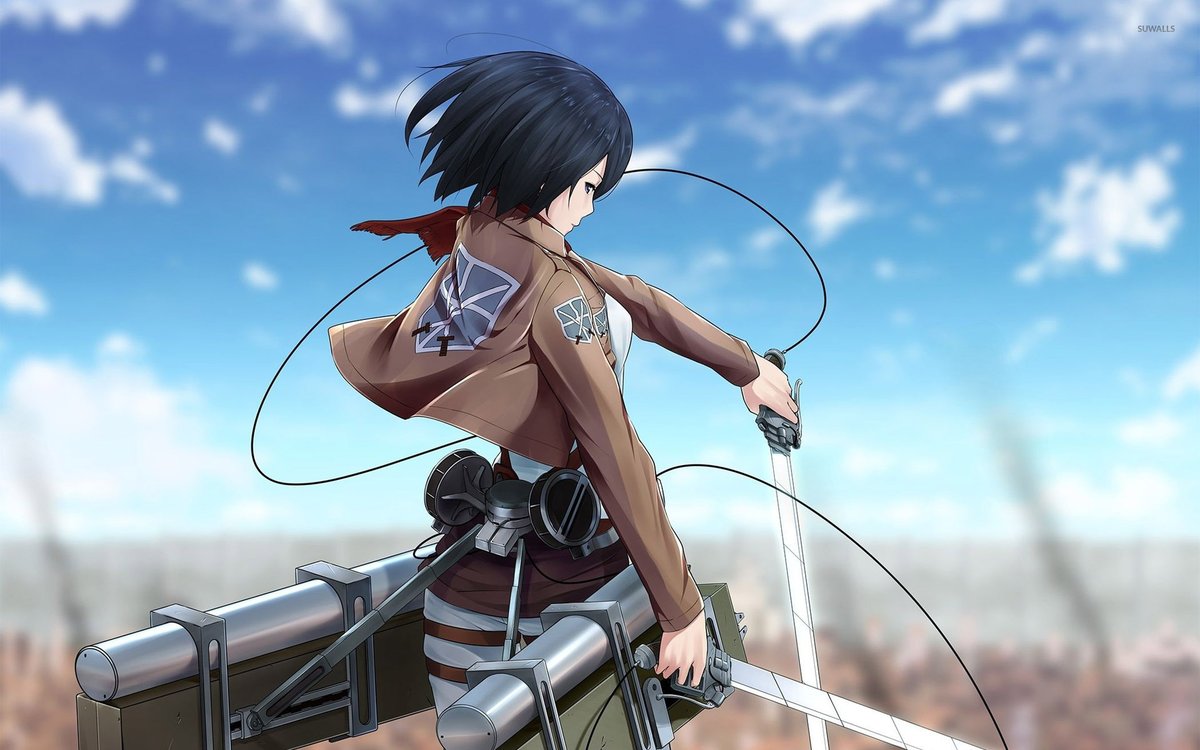
Have you ever found yourself searching for "Mikasa Ackerman in The Promised Neverland," only to come up a little confused? You're not alone! It’s a common query that sparks curiosity among anime fans, blending two of the most critically acclaimed and beloved series in recent memory. We're here to clear up the mystery, explain the genuine connection points (or lack thereof!), and guide you through the incredible worlds of both Attack on Titan and The Promised Neverland.
While Mikasa Ackerman is a phenomenal character, she does not actually appear in The Promised Neverland. Her legendary fighting skills and unwavering loyalty are hallmarks of the Attack on Titan universe, where she battles monstrous Titans alongside Eren Yeager. However, the reason for this mix-up is quite fascinating, often stemming from the similar dark, survivalist tones and strong female protagonists that both anime feature.
Let's unravel this mystery, celebrate what makes The Promised Neverland a masterpiece, and understand why these two distinct worlds might seem to intertwine in the minds of eager viewers.
The Truth Revealed: Mikasa Ackerman's True Home
First things first: Mikasa Ackerman is a core character from Hajime Isayama's epic manga and anime series, Attack on Titan. She's known for her incredible combat prowess, her fierce devotion to Eren, and her iconic red scarf. Her journey is one of survival, loyalty, and facing unimaginable horrors in a world besieged by colossal, man-eating Titans. If you're eager to , including her origins, abilities, and pivotal moments, we have a dedicated guide waiting for you.
The Promised Neverland, on the other hand, presents a different kind of horror and struggle for survival. It centers around a group of intelligent orphans at Grace Field House who uncover a terrifying truth about their idyllic home. Their battle is one of wits, strategy, and a desperate bid for freedom against a hidden, monstrous society.
Why the Mix-Up? Unpacking the Confusion
It's natural to wonder why these two distinct series often get intertwined in discussions. The confusion around Mikasa Ackerman's presence in The Promised Neverland likely stems from several compelling factors that both anime share:
- Dark and Gripping Narratives: Both Attack on Titan and The Promised Neverland plunge their characters into dark, high-stakes environments where survival is paramount. They feature intense psychological tension, brutal truths, and protagonists who must mature rapidly to face existential threats.
- Strong, Determined Female Leads: Mikasa Ackerman is undeniably one of anime's most powerful and determined female characters. The Promised Neverland also boasts Emma, a protagonist characterized by her unwavering optimism, courage, and fierce protectiveness of her family. While their fighting styles and circumstances differ greatly, both embody resilience and a refusal to give up, making them powerful beacons of hope and strength in their respective, grim worlds.
- A World of Secrets and Betrayal: Both narratives are built upon shocking revelations and the shattering of perceived realities. The constant struggle against overwhelming, unseen forces creates a shared sense of urgency and mystery that can feel familiar across different stories.
To in more detail, we break down the thematic and character parallels that often lead viewers to connect these two incredible series.
Stepping into Grace Field: The True Story of The Promised Neverland
The Promised Neverland introduces us to an orphanage called Grace Field House, where children live an idyllic life, cared for by "Mama" Isabella. With delicious food, comfortable beds, and daily intellectual tests, it seems like a perfect existence. However, this paradise hides a chilling secret: the children are not orphans being prepared for adoption, but rather livestock being raised for consumption by demons.
The story truly kicks off when Emma, Norman, and Ray, three of the smartest children, uncover this horrific truth. What follows is a brilliant game of cat and mouse as they meticulously plan an escape for all the children before they meet their gruesome fate. The narrative expands far beyond the orphanage walls, delving into a complex world of human-demon treaties, ancient societies, and the desperate search for true freedom. To , from its shocking beginning to its thrilling conclusion, our comprehensive guide will walk you through every major twist and turn.
Meet the Minds: The Brilliant Children of Grace Field
At the heart of The Promised Neverland's intricate plot are its three main protagonists, each contributing a vital piece to their escape plans and beyond:
- Emma: The embodiment of hope and compassion. Emma is fiercely optimistic, determined to save everyone, and possesses an incredible drive that inspires those around her. She acts as the emotional core and leader, always pushing forward despite the odds.
- Norman: The strategic genius. Norman is exceptionally intelligent, calm under pressure, and capable of formulating complex plans. He often makes difficult, pragmatic decisions and sacrifices for the greater good, showcasing a remarkable blend of intellect and empathy.
- Ray: The cynical tactician. Ray is a brilliant realist with a skeptical outlook, often serving as a foil to Emma's idealism. His sharp mind, extensive knowledge, and willingness to make tough calls are invaluable, and his character undergoes a profound evolution throughout the series.
These three dynamic characters, through their individual strengths and deep bond, form the ultimate team. Their journey is one of growth, sacrifice, and an unwavering commitment to each other. For a deep dive into how these personalities intertwine and evolve, by reading our detailed character profiles.
Beyond the Walls: Deeper Themes in The Promised Neverland
The Promised Neverland is far more than just an escape story; it's a profound exploration of complex philosophical and ethical dilemmas that resonate deeply with viewers. The series masterfully weaves in several major themes:
- Freedom vs. Security: The children are initially safe and cared for, but at the cost of their freedom and lives. The narrative constantly challenges characters to weigh the pursuit of true liberty against the allure of a comfortable, yet dangerous, existence.
- Identity and Self-Discovery: As the protagonists learn about their world and their place in it, they grapple with fundamental questions of identity. Their journey forces them to confront what it means to be human and to define their own destiny.
- The Power of Friendship and Found Family: The unbreakable bonds between the Grace Field children are a central driving force. Their mutual support, loyalty, and love provide strength in the face of insurmountable adversity, proving that family isn't always defined by blood.
These themes contribute to the series' emotional depth and critical acclaim, prompting viewers to reflect on similar questions in their own lives. To , explore our comprehensive analysis.
The Visual Feast: Art and Animation in The Promised Neverland
A significant aspect of The Promised Neverland's success lies in its distinctive art style and compelling animation. The visual storytelling is a powerful tool, effectively conveying the series' moods from serene tranquility to heart-pounding suspense.
The detailed art, with its expressive character designs, vividly captures the children's emotions—their terror, determination, and hope. The deliberate use of color palettes expertly shifts to enhance the atmosphere, moving from the warm, deceiving hues of Grace Field to the starker, colder tones of the outside world. Fluid animation adds dynamism to the chase scenes and intense psychological battles, making every moment feel impactful. It strikes a unique balance between realism and stylization, creating a visually captivating experience that amplifies the emotional and narrative tension. If you're fascinated by how visuals enhance storytelling, in our dedicated piece.
A Lasting Legacy: The Impact of The Promised Neverland
The Promised Neverland has undeniably left a significant mark on the anime and manga industry since its debut. It garnered widespread critical acclaim for its intricate plot, meticulous character development, and profound emotional depth, quickly earning its place among modern classics.
The series successfully blended elements of psychological thriller, mystery, and ethical drama, setting new standards for narrative complexity and intelligent storytelling. Its unique premise and relentless tension captivated a broad audience, fostering an active and passionate fan community eager to dissect every twist and character motivation. The Promised Neverland demonstrated that a story relying on wit and strategy over brute force could be incredibly thrilling and impactful, influencing subsequent works in the genre. To truly , dive into our article that examines its impact and critical reception.
Embracing Both Worlds: A Journey of Discovery
While Mikasa Ackerman may not reside in the demon-infested world of The Promised Neverland, the question of her presence there opens up a fantastic opportunity to appreciate the unique strengths of both series. Attack on Titan offers raw power and epic battles, while The Promised Neverland provides a masterclass in strategic thinking and psychological suspense.
We encourage you to explore both these incredible anime. Whether you're drawn to Mikasa's indomitable spirit or Emma's unwavering hope, there's a rich tapestry of storytelling, unforgettable characters, and profound themes waiting for you. Dive into our supporting pillars to deepen your understanding and appreciation for these modern masterpieces!